The Hidden Dangers of DIY Pressure Washing in Columbus, GA
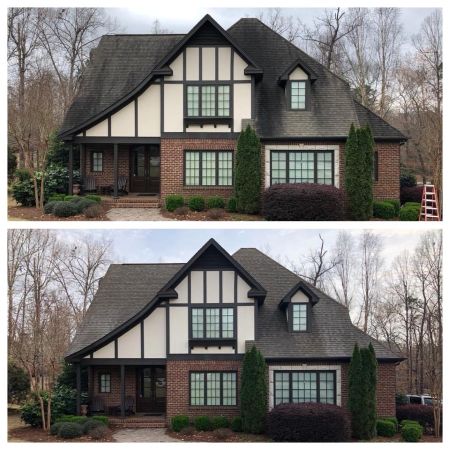
Thinking about tackling pressure washing on your own? In a climate like Columbus, GA, where humid summers and spring pollen fuel algae and mildew, it can be tempting. But DIY pressure washing often leads to cracked siding, etched concrete, water behind walls, and even injuries. If you want curb appeal without the risk, you need a safer approach that respects local weather, building materials, and landscaping.
Across Midtown, Wynnton, North Columbus, and neighborhoods near Fort Moore, homes face heavy sun, sudden storms, and red clay splash-back. These conditions make organic growth stubborn and surfaces sensitive. That is why **high pressure is not the solution.** The right cleaning method balances cleaning power and surface safety, and in most cases that means a controlled, low-pressure soft wash instead of a blast from a big-box-store machine.
Why DIY Pressure Washing Goes Wrong In Columbus GA
Most homeowner-grade machines are built to deliver force, not finesse. Nozzles can concentrate water into a narrow stream that cuts into paint, wood, and even mortar. Add in our local heat and fast-drying winds along the Chattahoochee, and detergents can flash-dry, leaving streaks and oxidation trails. It is easy to harm the surface you planned to clean.
Professionals use a tuned process called soft washing that pairs low pressure with the right cleaning mix and dwell time. If you want a safer approach to remove algae from siding or soffits, learn how our soft washing for homes cares for finishes while lifting stains and growth.
Damaged Siding, Windows, And Doors
Vinyl, fiber cement, and painted wood all respond differently to force. Misjudge the distance or angle and you can scar the surface or drive water where it should never go. **Vinyl siding can trap water.** Once moisture gets behind panels, it can find its way into sheathing and insulation.
- Blown siding laps and lifted J-channels allow wind-driven rain into the wall cavity.
- Oxidation streaks appear when chalked paint is blasted instead of gently rinsed.
- Broken window seals can fog insulated glass, and water can reach trim, causing rot over time.
- Water forced into light fixtures, outlets, and door thresholds can lead to shorts or swelling wood.
Homes in shaded streets near Lakebottom Park often have persistent algae on the north sides. High pressure shaves growth for a day, but it does not treat the root cause. A correct soft wash breaks down the biofilm at low pressure, so it rinses clean without scarring the finish.
Etched Concrete, Brick, And Decking
Concrete patios, pavers, and brick steps are common around Columbus homes. They seem tough, yet a tight spray held too close will carve lines that look like tiger stripes. Mortar joints can unravel, and paver sand can wash out, leading to loose or uneven stones. **Concrete and brick can be etched.** Once you etch the surface, dirt collects faster and the slab weathers unevenly.
Wood and composite decks also suffer. A strong blast raises the grain, splinters boards, and forces water deep into end cuts. Later, Georgia’s heat bakes that moisture out, and boards twist or cup. A soft wash process cleans decking without chewing up the surface.
Water Intrusion And Hidden Moisture
One of the biggest DIY risks is water where you cannot see it. High pressure can push water behind siding, past window weeps, into soffit vents, and under shingles at roof edges. That trapped moisture becomes a breeding ground for mold and can stain ceilings weeks later. In ranch homes near Green Island Hills, long eaves and vents make it easy to drive water into the attic with the wrong angle.
Soft washing uses low pressure near openings and allows chemistry to do the work. The rinse is gentle and controlled, which helps keep water outside where it belongs.
Health And Safety Risks You Might Not Expect
DIY pressure washing is not only a property risk. It is a personal safety risk, too. Hose whiplash, slippery algae, and ladder work are a bad mix on a hot Columbus afternoon.
- Lacerations and injection injuries from close-range spray.
- Ladder falls on wet surfaces and uneven red clay.
- Electrical shock near outdoor outlets, meter bases, and soffit lights.
- Chemical exposure to eyes and skin when mixes are not handled correctly.
Even a minor slip on a mildewed driveway can sideline you for weeks. Professional teams bring safety gear, surface knowledge, and a planned rinse path that keeps walkways usable during and after cleaning.
Local tip: Our warm, humid summers speed up algae and mildew growth, especially on the north and east sides of homes. A gentle soft wash before peak summer helps prevent deep staining and keeps paint from dulling early.
Why Soft Washing Is The Safer Choice For Columbus Homes
Soft washing combines low pressure with a targeted cleaning solution that breaks down organic growth at the root. The rinse pressure is similar to a garden hose, so trim, screens, and seals are protected. This method shines on vinyl, painted wood, stucco, and modern fiber cement. It also works well on soffits, fascia, and porch ceilings that often trap pollen and spider webs in the spring.
Unlike a quick blast, a soft wash treats the whole surface. That reduces regrowth and keeps your home looking clean longer between visits. For homeowners comparing options, **soft washing protects your home** while restoring true color and curb appeal.
If you want a deeper overview of exterior care and to connect with a local team, you can start with professional pressure washing in Columbus, GA to see how a trained crew approaches stains, oxidation, and delicate trims the right way.
Common Columbus GA Trouble Spots We See
Every home is different, but our region creates patterns. Here are a few we see often across Muscogee County:
Gutters and drip lines. Heavy summer storms pull roof grit onto siding and brick. If you use high pressure from below, you can drive that grit under laps and scratch the face.
Brick porches and steps. Zero-degree tips leave wand marks on porous brick. Stains return faster because etched surfaces hold dirt.
Windows and trim. Tough blasts blow off caulk beads and lift paint edges. Water can settle into sill joints and swell the wood later.
Driveways near red clay. Clay splatter bakes on during heat waves. A harsh blast may lighten it, but often leaves patchy patterns that look worse in sunlight.
How Professional Soft Washing Solves These Risks
Pros survey your home for sun, shade, and wind patterns. They pre-soak nearby plants, select the right solution strength for algae and mildew, and manage rinse direction so water moves away from openings. They also shield fixtures and test small areas first. That process matters more than PSI.
With A's Pressure Washing, you get a team that treats your home like a system, not a set of spots. The goal is a clean, even finish without scars, streaks, or surprise leaks. For siding and trim especially, a controlled approach beats a high-pressure blast every time.
Signs You Should Call A Pro Soon
If you notice any of these, it is time to bring in help before small issues become big repairs:
- Green or black film returning within weeks of your last clean.
- Chalky residue on painted siding that smears when touched.
- Rust or red clay stains that stayed after a hard blast.
- Moisture smells after washing, or fogged windows that were clear before.
A soft wash addresses the real problem and does it without chewing up finishes or forcing water behind them. If your last DIY session left stripes or dull patches, a careful soft wash can often even out the look and extend the life of your paint.
What To Expect From A Professional Visit
Your technician will walk the property, note sensitive areas, and outline a safe rinse path. They will choose a solution strength that fits your surfaces and the type of growth. Contact time does the heavy lifting, not force. Rinsing is low pressure and directed away from vents, doors, and windows. Plants get protected before, during, and after the wash, and final checks confirm doors, outlets, and fixtures are dry.
This approach works across Columbus, whether it is a shaded bungalow near Wynnton, a brick two-story in North Columbus, or a river-adjacent home that sees extra moisture. The result is a brighter home and peace of mind.
Protect Your Home Without The Risk
If you are weighing another DIY weekend, remember the common outcomes we repair: damaged siding, etched concrete, water intrusion, and injuries. A professional soft wash gives you a fresh look without those tradeoffs. To see how a careful, low-pressure process fits your home, explore our professional house washing approach that balances cleaning power and surface safety.
Ready to make your exterior look new again? Schedule a visit with A's Pressure Washing. For questions or to book your spot, call 706-715-3104. If you prefer online, you can request a time through our house washing service page and we will confirm the visit window that works for you.
GET THE BEST CURB APPEAL WITH A’S PRESSURE WASHING IN COLUMBUS