How Pollen Season in Georgia and Alabama Affects Your Home’s Exterior: House Washing in Columbus, GA
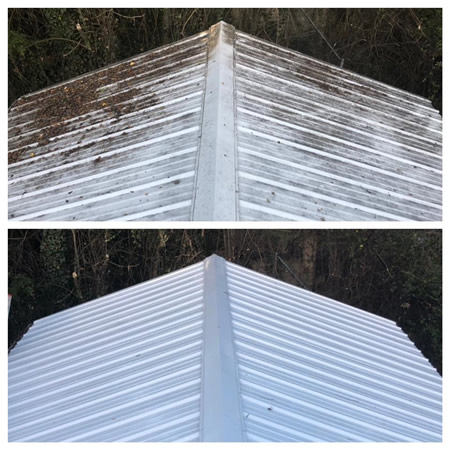
Each spring, Columbus, GA and nearby Alabama neighborhoods see a rush of yellow dust. That blanket of pine and hardwood pollen clings to paint, siding, roofs, and concrete. If you notice a dull film and darker streaks after a warm snap, your home is telling you it needs attention. A quick look at your trim, porch rails, and driveway edges will often confirm it. The most reliable fix is professional house washing that lifts pollen, grime, and early algae without harming your exterior.
Why Pollen Hits Columbus Hard Every Spring
Our area sits in a green belt with tall pines and hardwoods. When warm, breezy days arrive, pollen rides the air and settles on any surface. Homes near tree-lined streets in Midtown, shaded lots in North Columbus, and properties closer to the river often show buildup sooner. Wind gusts can move that yellow powder into places you never expect, like upper gables, soffits, and porch ceilings.
The challenge is that pollen mixes with moisture and everyday dust. Morning dew and quick afternoon showers help it stick. Then it becomes a magnet for soot, road film, and spores that lead to green or black staining. That is why the film you see in March and April can turn into stubborn discoloration by early summer if it is left alone.
Where Pollen Buildup Shows Up First
Not every material holds pollen the same way. Smooth painted trim can show a dull glaze while textured surfaces trap more dust. Homeowners around Uptown Columbus often spot it on front porches and steps where foot traffic spreads the yellow tint. Across the river into east Alabama, breezy corners and open carports collect it, too.
- Siding: vinyl, fiber cement, and painted wood show a yellow cast and dark streaking under windows
- Roofs: granules hold fine particles that deepen roof stains over time
- Gutters and fascia: edges catch dust lines that read like dirty outlines
- Driveways and walkways: concrete traps pollen in pores, making a slippery film after rain
- Screened porches and railings: mesh and spindles gather visible buildup you can rub off with a finger
What Happens If You Wait Too Long
Pollen is not just dust. It bonds with oils and moisture, which helps algae and mildew take hold. The longer it rests on your siding and shingles, the more it stains and the harder it is to remove cleanly. That can shorten paint life, dull your roof, and make concrete look aged well before its time.
Wet pollen can get slick on steps and concrete. When dew or a quick shower hits, that thin yellow layer turns into a film. Walkways, pool decks, and sloped drives can become slippery. If you have guests or deliveries, this is more than a curb appeal issue.
How Professional House Washing Removes Stubborn Pollen
Your home needs the right mix of detergents and controlled water pressure to lift pollen safely. That is why homeowners across Muscogee County trust trained pressure washing pros to handle it. The goal is to clean the surface and leave the material underneath untouched.
Here is what an expert approach looks like without getting technical or asking you to do any of it yourself:
- Match the cleaning method to the surface so paint, vinyl, brick, and shingles are treated correctly
- Use solutions that break the pollen bond and rinse clean without residue
- Rinse patterns that keep water away from joints, outlets, and attic vents
High pressure can damage siding and shingles if it is used the wrong way. That is why choosing a team that understands both soft washing and pressure washing techniques matters. If you want a single visit that handles siding, trim, roof edges, and flatwork, talk with a pro about a plan that fits your home. You can explore broader exterior care under our residential pressure washing category.
When To Schedule House Washing Around Pollen Season
Pollen does not arrive on the same day every year, but the pattern is familiar. You see the yellow haze on vehicles and porch furniture, and the film on siding soon follows. Many Columbus homeowners prefer a single, thorough cleaning after the peak drop so the rinse removes both pollen and the grime it attracts. Others line up a late-spring visit so their exterior looks fresh for summer gatherings and graduation photos.
Timing also depends on your lot. Shaded homes near mature trees collect more pollen and stay damp longer. Sunny, open lots tend to shed light dust sooner. If your siding shows smears when you touch it or your driveway looks tan instead of gray, it is time to act. You can skim recent seasonal notes anytime on our pressure washing tips page.
Concrete, Roofs, And Siding: Different Materials Need Different Care
Pollen falls everywhere, but it behaves differently on each surface. On siding, it clings to microscopic texture. On roofs, it mingles with granules and can feed existing stains. On concrete and pavers, it drops into pores and holds water. That is why one uniform blast of water is not the answer. The process that refreshes a painted gable is not the same as what deep-cleans a driveway.
Driveways and walkways also see constant foot and tire traffic. If you live near busy corridors or school pick-up lines, that traffic pushes pollen deeper into the surface. Over time, dark stripes appear where tires turn or people pause. A professional cleaning will flush those pores and even out the color so the whole front approach looks new again.
Signs Your Home Needs House Washing After Pollen Season
You do not need special tools to know it is time. A quick walk-around will tell you plenty:
- Yellow smears on siding and trim when you swipe with a finger
- Green or gray streaks under window sills that were not there in winter
- Porch steps or handrails that feel tacky after a humid morning
- Driveway looks tan, with darker bands near the garage and street
- Gutter fronts show thin dirty lines at the very lip
If you spot two or more of these, scheduling our house washing service after the heavy drop can reset your curb appeal for the rest of the season.
Local Factors In Columbus, GA And Nearby Alabama
Homes within a few blocks of the Chattahoochee often deal with fine river breezes that push pollen into corners. Tree-lined streets in Midtown and older neighborhoods collect it along crown molding and porch beadboard. Newer subdivisions with young trees can look dusty along fence lines and mailbox posts as the wind swirls. Across the state line, open lots in east Alabama still gather plenty of pollen on carports and concrete pads after a windy afternoon.
Roof pitch matters too. Low-slope sections and north-facing valleys hold pollen longer because they dry slowly. The same goes for shaded side yards where the morning sun arrives late. These small differences often explain why one side of a house looks worse than the others by mid-spring.
Benefits Of Washing Right After The Heaviest Drop
Cleaning at the right moment gives you more than shine. It also slows down the grime cycle that follows spring. Homeowners who time their visit well usually notice these wins:
- Paint and siding stay brighter into summer because pollen is not feeding stains
- Roof edges look newer, which boosts overall curb appeal from the street
- Driveways and walkways feel cleaner underfoot and safer when wet
- Windowsills and trim avoid the gray drip lines that show up in humid weeks
Book cleanings after the heaviest drop and you will likely need fewer touch-ups later. If you host family or customers, that timing keeps entrances looking tidy during the busiest parts of spring and summer.
Protect Paint And Materials With The Right Approach
Good cleaning preserves surfaces. That is especially true for painted wood, fiber cement, and older vinyl. These materials deserve gentle methods and targeted solutions so they look great without wear and tear. A careful rinse along laps and seams keeps water from driving behind panels or trim.
When pollen season passes, many homeowners pair siding care with a refresh on concrete, brick steps, or pool decks for a uniform look across the whole property. If you manage multiple properties or coordinate HOA care, you can learn how exterior services are grouped on our residential pressure washing page.
Plan For The Rest Of The Year
Every home is different. Tree cover, shade, nearby construction, and traffic all affect how fast exterior film returns. A simple seasonal plan, adjusted to your property, keeps things crisp without overdoing it. Many Columbus homeowners prefer a spring visit after pollen and a late-year clean before holiday photos. Others choose a custom schedule based on their lot and exterior materials.
If you want to see what that could look like for your address, explore how we handle house washing in Columbus, GA as part of a broader exterior routine with A's Pressure Washing. We map service around your trees, sun patterns, and the way your home sheds water so results last.
Ready To Clear The Yellow Film?
When pollen settles, a fast rinse is not enough. It takes a trained eye, the right solutions, and careful technique to lift the film and stop new stains from forming. That is what A's Pressure Washing delivers for homes throughout the Chattahoochee Valley. For a clean, bright exterior and safer walkways, schedule our house washing service today or call 706-715-3104. We will set a time that matches your tree cover and the rhythm of spring in Georgia and Alabama so your home looks its best all season long.
GET THE BEST CURB APPEAL WITH A’S PRESSURE WASHING IN COLUMBUS